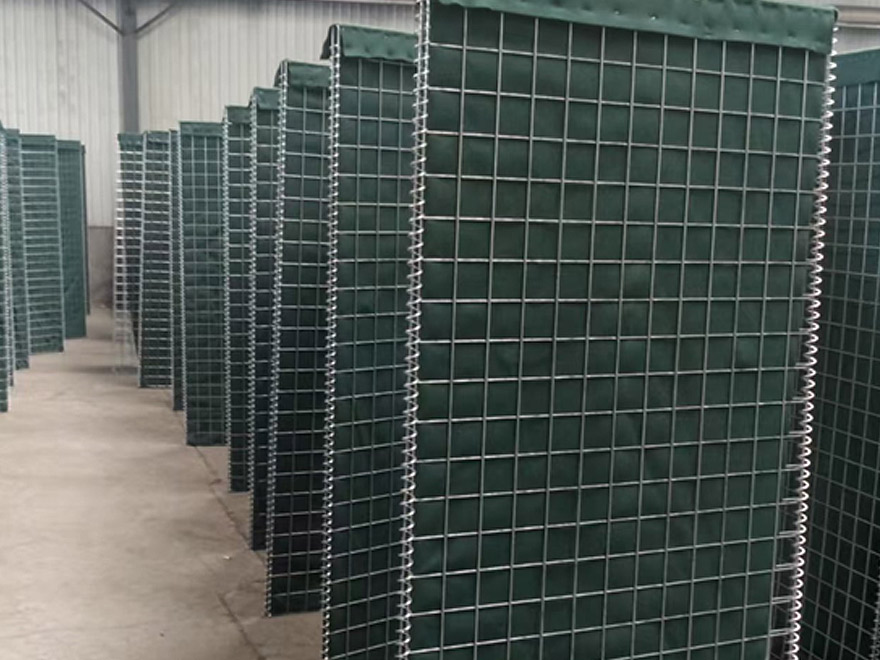
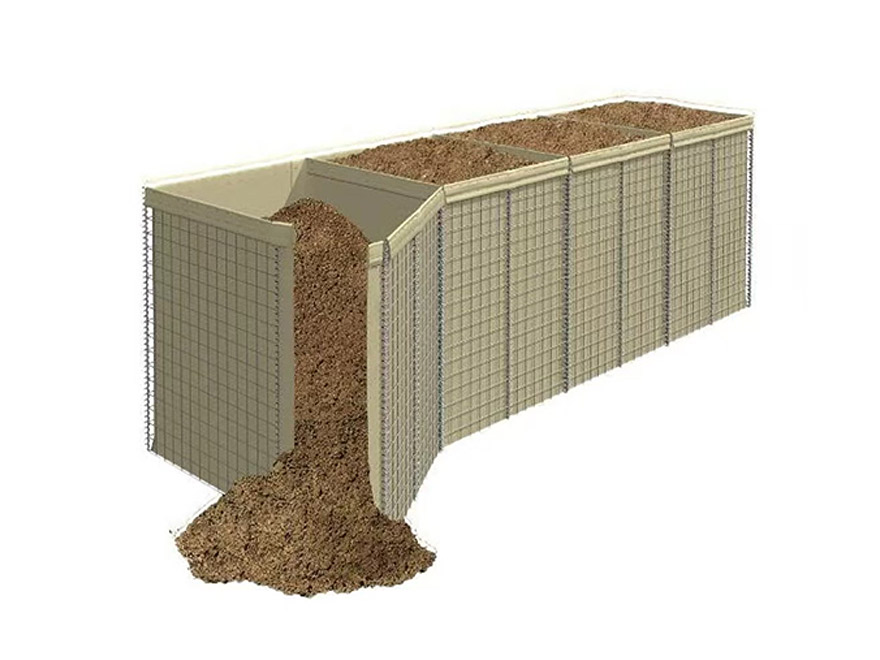
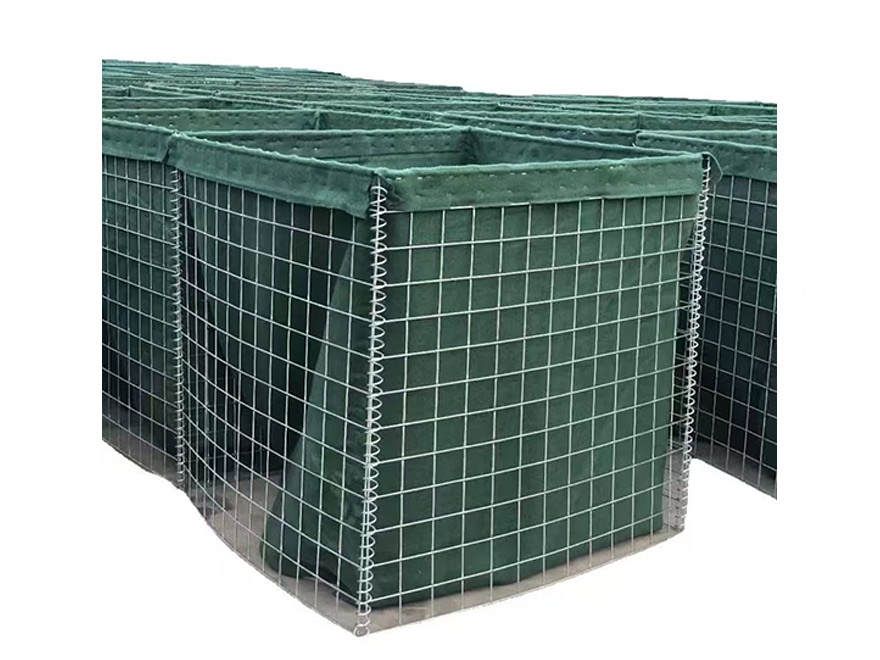
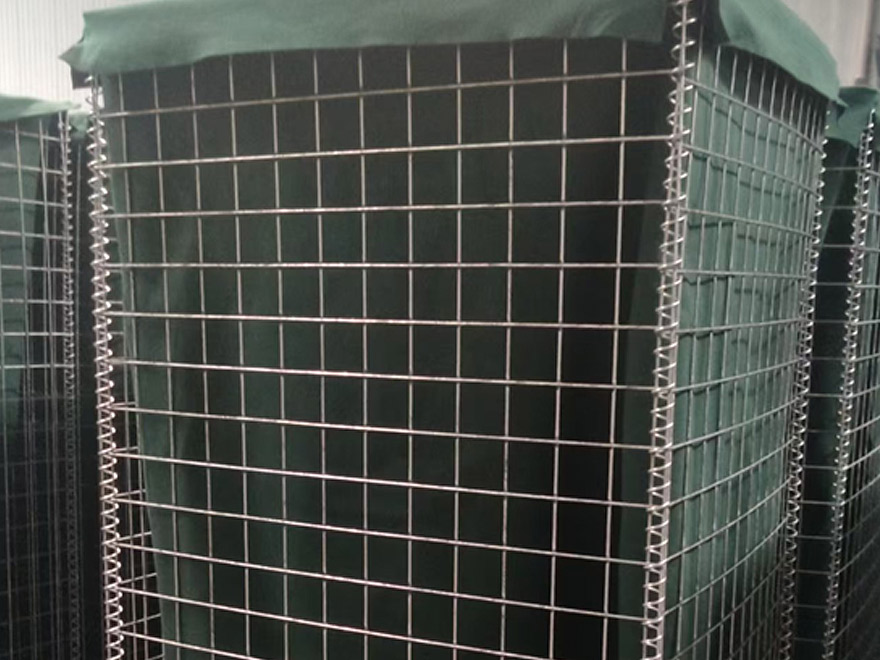
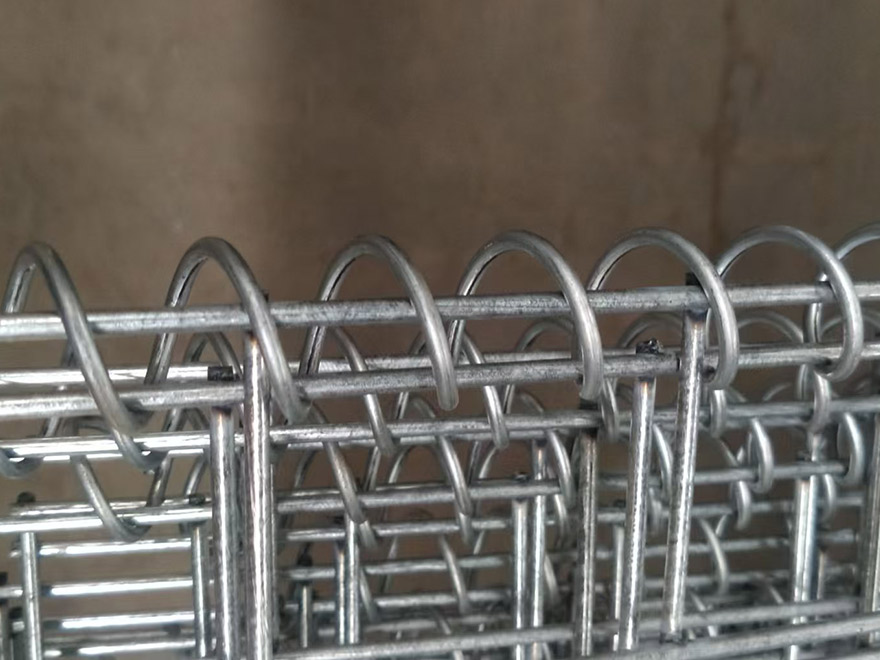
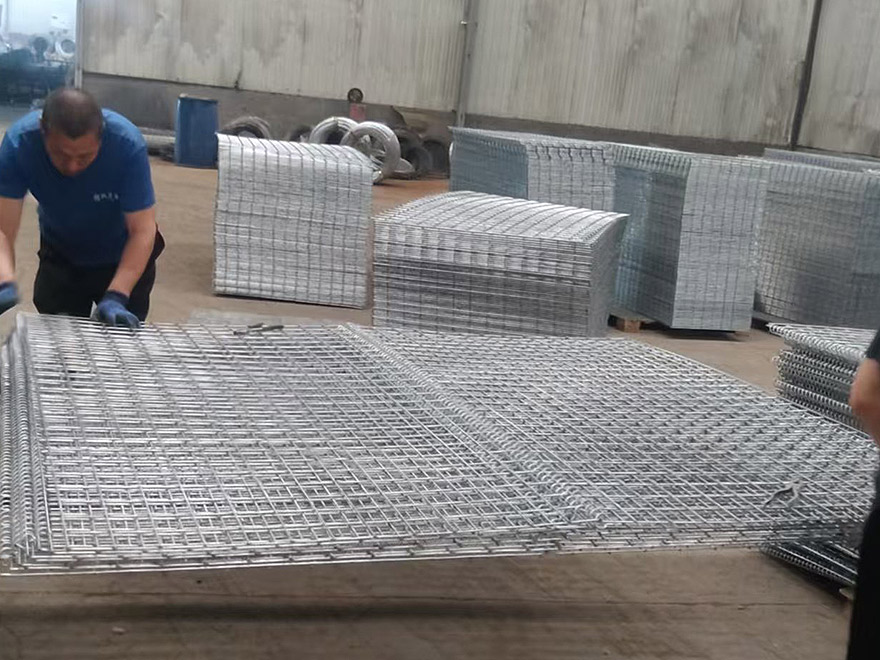
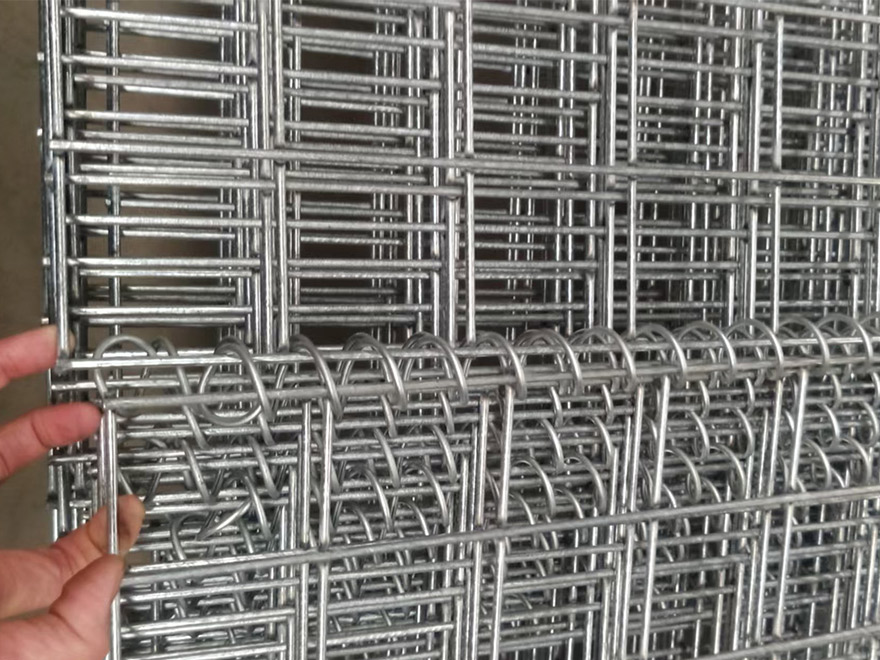
Blast cage, also known as blast wall or flood barrier, named Hesco Barrier / Hesco Bastion in English, is an essential protective facility for modern warfare and flood control.
It can be assembled by single or multiple units. Local materials such as sand, soil and stones can be filled on site to build solid defensive barriers. It serves as indispensable defense equipment in modern military operations, sheltering military personnel and civilians in hazardous environments.
QYM blast wall is not only used for military purposes, but also widely for flood prevention.
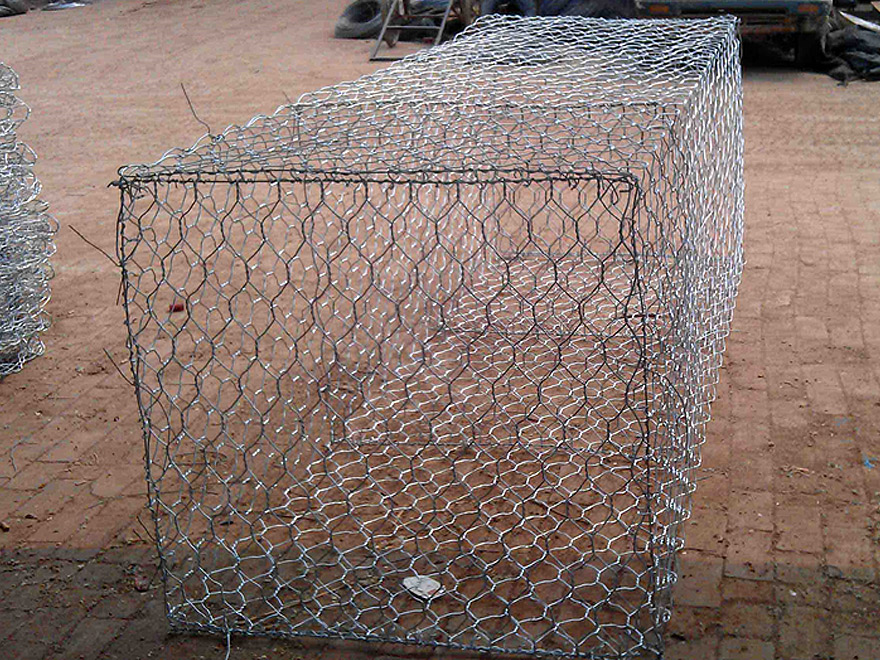
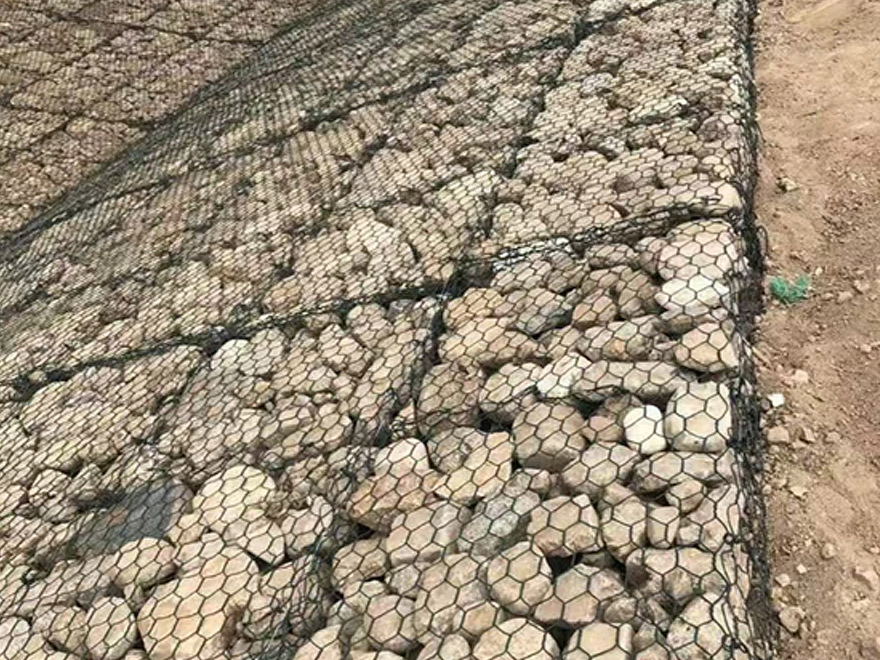
Different from traditional gabion baskets, it can hold not only stones, but also fine silt and soil with easy access to local filling materials, which is ideal for river lower reaches and sea areas lacking stone resources. With excavators and forklifts, its installation efficiency is dozens or even hundreds of times higher than traditional sandbags.
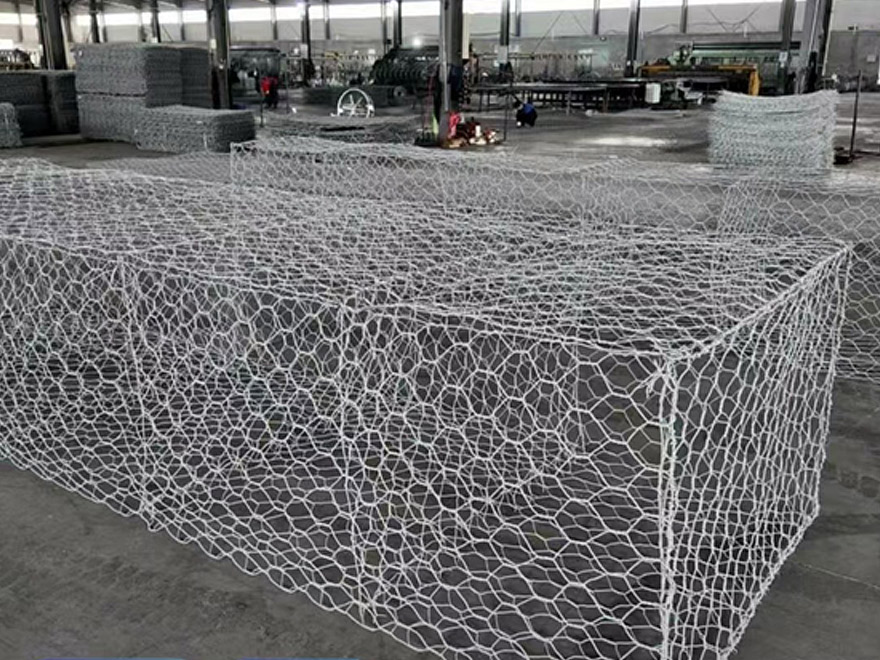
As early as thousands of years ago, ancient Egyptians wove baskets from reeds, filled them with stones, and buried them in the Nile River to resist water erosion. Later, Europeans used wicker baskets filled with stones as military fortifications and flood control materials. These baskets derived the name Large Cage from the Italian word Gabbione.
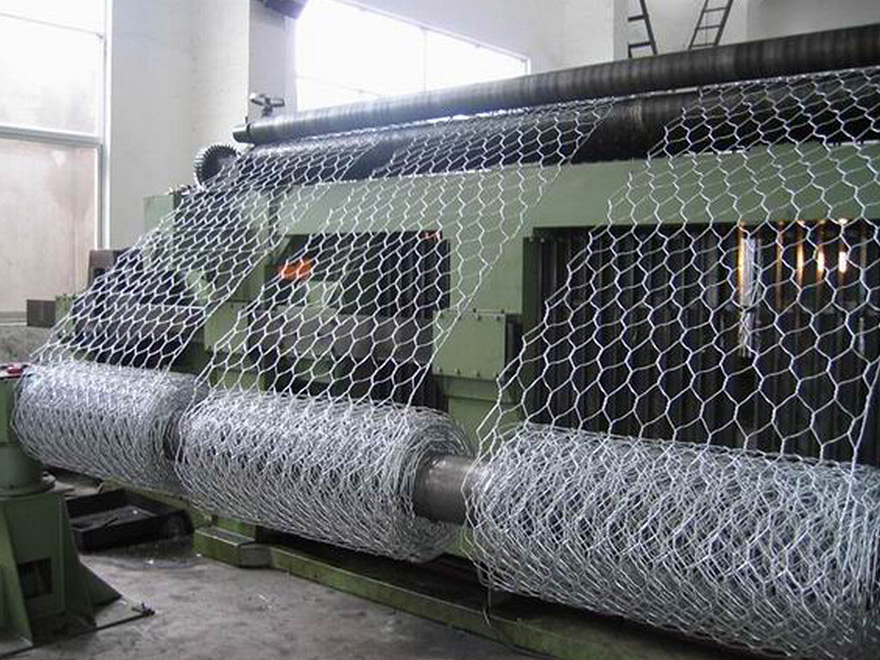
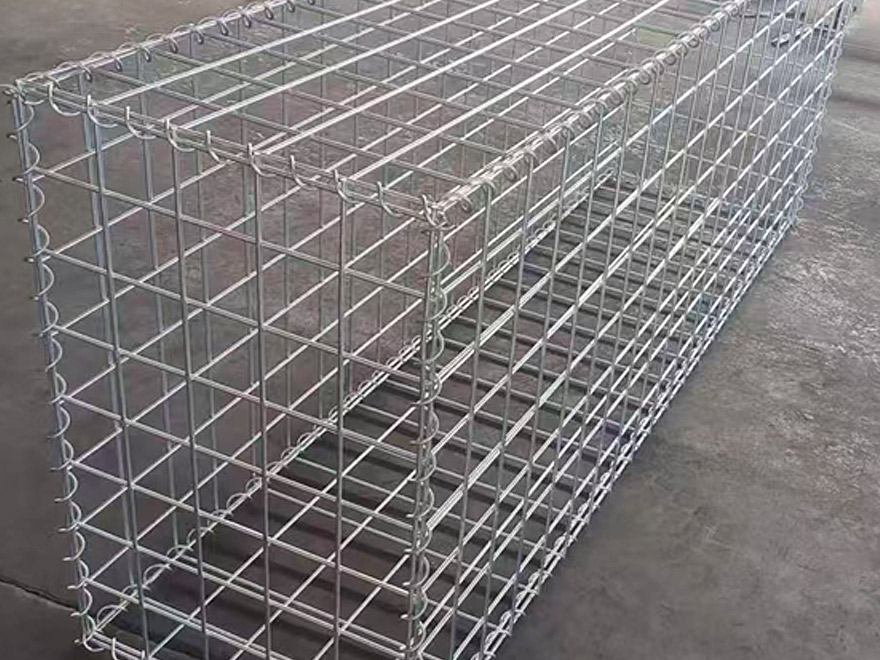
In the mid-19th century, the first commercial woven gabion mesh appeared. In the mid-20th century, gabion manufacturing underwent another innovation, with the emergence of the welded gabion process.
|
Mesh Opening(cm) |
Wire Diameter(mm) |
Common Cage Dimensions (m) |
|
5×7 |
2.4 |
0.5×0.5×1 |
|
5×7 |
2.7 |
1×1×1 |
|
5×10 |
3.5 |
1×1×2 |
(Specific dimensions can be customized according to engineering design requirements)